Why Learning Routines Break Down When Steps Are Hidden

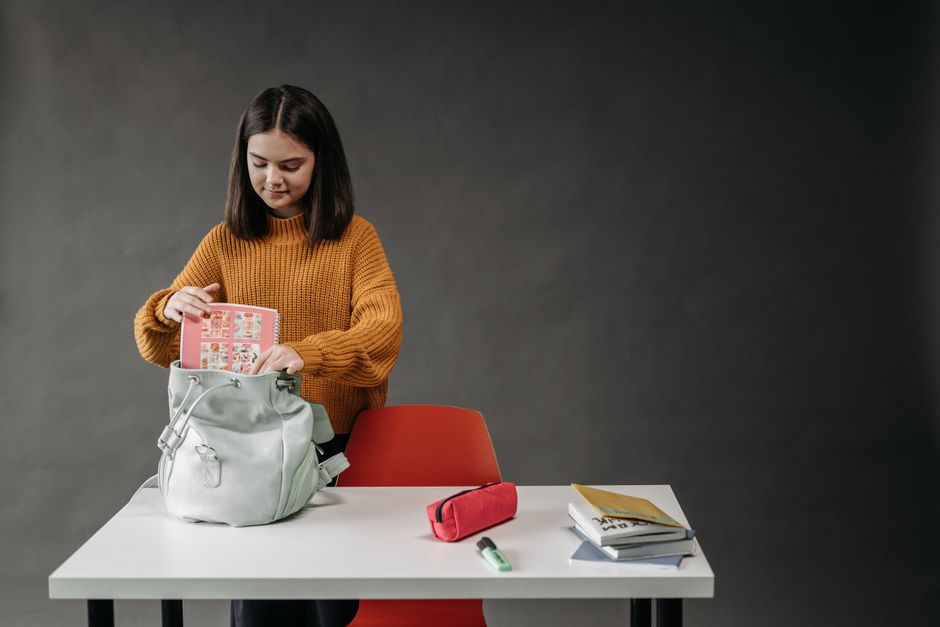
As the clock ticks toward the end of another long workday, the entryway chair becomes a cluttered staging area for the evening routine. A half-packed bag sits open, textbooks and notebooks spilling out, while a phone notification buzzes insistently, pulling attention away from the task at hand. The planner, intended for a quick review of tomorrow's schedule, remains closed on the table, a silent reminder of the small habit that could have set the tone for the next day. In this moment, the familiar chaos of packing the bag reveals a common pitfall: too many steps are hidden until the last moment, leading to confusion and a sense of overwhelm.
Each time a notification interrupts the reset process, the sequence of actions falters. The bag needs to be packed in a specific order—laptop first, followed by chargers, then the planner on top, where it will be seen and remembered. However, without that clear sequence, the risk of forgetting essential items increases. The combination of distractions and a lack of visible checkpoints creates friction that derails the evening routine, leaving the remote worker scrambling at the door, wondering what was overlooked. This scenario underscores how concealed steps can unravel learning routines, making it crucial to identify and address those gaps before they lead to a chaotic departure.
The First Step That Gets Skipped
On a busy weekday evening, the entryway chair becomes a staging ground for the next day’s essentials. As the remote worker prepares to leave the house, the bag-packing routine should flow seamlessly: first the laptop, then the charger, and finally the planner on top, where it can’t be overlooked. However, if the planner remains closed on the table, the risk of forgetting crucial tasks looms large. This moment highlights the importance of visible checkpoints in a learning routine.
Setting out clothes the night before can alleviate decision fatigue, but it’s often the first step that gets skipped. Instead of laying out a shirt and pants, the worker might find themselves rummaging through the closet in the morning, wasting precious time. When distractions like phone notifications interrupt this reset process, the carefully planned sequence falters. The phone buzzes on the kitchen counter, pulling attention away from the task at hand.
To avoid this chaos, a small adjustment can make a significant difference: placing the planner directly in the bag as the first action ensures it’s seen and remembered. This simple act serves as a visual cue, reinforcing the sequence of packing while minimizing the chances of overlooking important items. Each evening routine should prioritize these small habits, creating a structure that supports learning and preparation for the day ahead. As the worker heads out the door, the weight of the bag feels right, but the lingering question remains: what else might have been forgotten in the shuffle?
Where the Routine Breaks Down
As the remote worker stands by the entryway chair, the evening routine begins to unravel. The bag sits open, waiting to be filled, but the planner remains closed on the table, a critical item overlooked in the rush to reset for the next day. A phone notification buzzes from the kitchen counter, pulling attention away from the task at hand. This distraction marks the first visible sign of drift in the carefully constructed sequence.
Instead of focusing on packing the essentials, the worker finds themselves momentarily captivated by the screen, scrolling through messages that can wait. This interruption leads to a snag: the realization that the planner, which contains crucial notes and tasks for the following day, has not been checked. Without this step, the chance of forgetting an important meeting or deadline increases significantly.
To combat this, a small adjustment can be made. Placing the planner directly into the bag as the first action can serve as a visual reminder, ensuring it’s not left behind. This simple shift in sequence, prioritizing the planner’s visibility, helps maintain the flow of the routine and minimizes the risk of overlooking essential items. Yet, as the worker closes the bag, the lingering uncertainty remains: what else might have slipped through the cracks during this chaotic reset?
Why This Failure Repeats
The entryway chair often becomes a cluttered reminder of the chaos that can derail a learning routine. As the remote worker prepares to leave, the bag sits open, but the planner remains closed on the table, hidden from view. This oversight is not just a minor inconvenience; it’s a symptom of a larger issue. When steps in a routine are concealed until the last moment, confusion reigns, leading to missed actions that can disrupt the entire day.
- Relying on memory alone often results in forgetting essential items, like the planner, which contains vital information.
- Interruptions, such as a phone notification, can easily shift focus away from the task at hand, compounding the risk of overlooking critical steps.
- Without visible reminders, the sequence of actions becomes fragmented, increasing the likelihood of skipping necessary checks.
To address this, placing the planner directly into the bag as the first action can serve as a visual anchor, ensuring it’s not left behind. This adjustment can help maintain the flow of the routine, but the lingering uncertainty remains: what else might have slipped through the cracks during this chaotic reset?
A Simple Correction to Change the Weak Point
Before heading out, the entryway chair often becomes a cluttered catch-all, with bags and shoes strewn about. To prevent the planner from getting lost in the chaos, place it in a designated spot on the chair where it’s easily visible. This small adjustment ensures that it stands out as a crucial item that must not be forgotten when packing your bag.
Set a specific time to check the planner—perhaps right after you put on your shoes. This creates a natural checkpoint in your sequence, allowing you to confirm any appointments or tasks before you pack. By integrating this visible reminder into your routine, you reduce the risk of skipping essential steps. If a phone notification interrupts your focus during this moment, the planner's presence can pull your attention back to the task at hand, preventing further distractions. However, without this simple correction, the planner might remain closed on the table, leading to a disjointed start to your day.
What to Check Before the Phone Takes Over
This same friction shows up again in Everyday Life In The, especially when the day tightens unexpectedly.
As you approach the entryway chair, take a moment to glance at the closed planner resting on the table. This planner holds your daily tasks, and checking it before you start packing your bag is crucial. If you skip this step, you risk leaving without remembering important meetings or deadlines, which can derail your entire day. Make it a habit to open the planner first, right after you set your bag down, to confirm what needs attention.
Next, ensure your phone is on Do Not Disturb mode during this time. Notifications can easily pull your focus away from the task at hand, especially when you're trying to reset after a long work session. By silencing distractions, you create a more intentional environment for packing your bag. Place your phone in a designated spot on the entryway table, out of reach but still visible, so you can see it without being tempted to check it constantly.
Finally, as you prepare your bag, keep the planner in sight. This visible cue acts as a gentle reminder of what you need to accomplish. If a notification does come through, the planner's presence can help redirect your attention back to your packing routine. Without this structure, you might find yourself scrambling at the last minute, leading to forgotten items or tasks. This simple adjustment can make a significant difference in how smoothly your day begins.
What Becomes Easier After the Correction
A slightly different version of this problem appears in Daily Routines Real Life, where the sequence changes but the hidden drag feels familiar.
Packing your bag for the day transforms into a more fluid task when you place your planner directly on the entryway chair. This small adjustment keeps your next steps visible and top of mind, reducing the chances of forgetting essential items. Instead of rummaging through drawers or searching for your notebook, you can quickly grab what you need while staying focused.
As you prepare to leave the house, the absence of distractions allows for a calmer environment. Notifications from your phone, which once interrupted your reset routine, are now silenced. This means you can concentrate on packing without the nagging urge to check messages. With your planner in sight, you can cross-check your to-do list, ensuring that everything you need is packed. The result? You leave feeling organized rather than rushed, with a clear plan for your day.
Next time you pack your bag, consider doing a quick visual scan of your entryway. Make sure your planner is open to today’s date, ready to guide you through your tasks. This simple act not only streamlines your routine but also sets a tone of preparedness for the day ahead, making the transition from home to work feel less chaotic.
As you prepare to leave the house, consider how the visibility of your planner can transform your learning routine. If it's closed on the table, it becomes just another hidden step in your process. Instead, place it open on your entryway chair, where you can quickly glance at today’s tasks before packing your bag. This small adjustment not only ensures you don’t forget essential items but also reinforces the habit of checking your plans, making it less likely that you’ll overlook important steps.
Interruptions, like phone notifications, can easily derail your reset routine. By silencing your phone and keeping your planner in sight, you create a focused environment that allows you to pack efficiently. Next time you’re about to head out, make it a point to check that your planner is visible and open. This simple act can help you maintain the consistency needed for effective learning routines, ensuring that no crucial steps are concealed until the last moment.