Why Good Intentions Around Learning Routines Fail on Weekdays
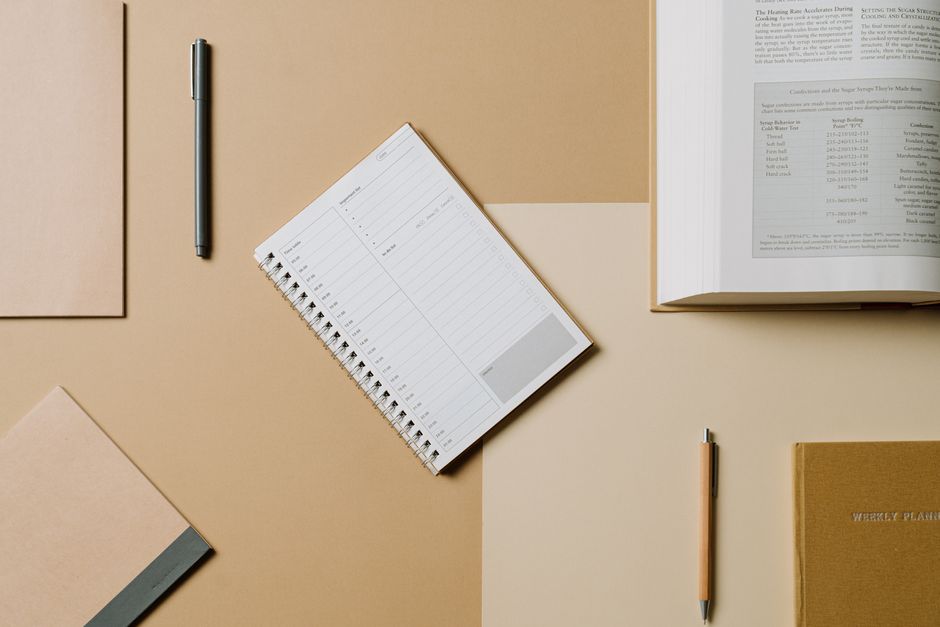
Standing at the kitchen counter, I glance at the closed planner sitting on the table, untouched since yesterday. The morning light spills in, but it feels like the day is already slipping away. I should have set the alarm across the room to force myself out of bed, but instead, I hit snooze too many times. Now, I’m left scrambling to get breakfast ready while the thought of my learning routine hangs in the air like the smell of burnt toast. Each moment feels rushed, and I can already sense the familiar tension building as I mentally skip over the weather check that I know I need to do before heading out.
As I pour my coffee, I realize that too many steps in my evening reset were left hidden until now. I had planned to lay out my materials the night before, but after a long day, I just tossed everything into the hallway drop zone. The result? A chaotic start to the day where I’m already behind, and my small habit of reviewing my notes is lost in the shuffle. Without a clear sequence to follow, the friction of missed checks and disorganization is palpable, making it all too easy to let my weekday learning routine break down before it even begins.
Morning Chaos: The Routine Already in Motion
The kitchen counter is a battlefield of breakfast items: a half-opened carton of eggs, a nearly empty coffee pot, and a stack of toast waiting to be buttered. Amidst this clutter lies my planner, its pages gaping open but untouched, a silent witness to my intentions. The alarm, set for 6:30 AM, buzzes insistently from the edge of the counter, but I’ve placed my phone too close, making it all too easy to scroll through notifications instead of focusing on the morning ahead. Each tap pulls me further from my goal, and before I know it, I’m running late.
With the clock ticking, I scramble to gather my materials for the day. I had planned to review my notes while sipping coffee, but the planner remains closed, its insights locked away. Instead, I toss a few items into my bag haphazardly, knowing that without a clear sequence, I’ll likely forget something crucial. In this rush, I skip my weather check, which I know I should do before heading out. Just like that, I’m left unprepared for the unexpected rain that will drench my morning commute.
As I stand there, the tension builds. I realize that I need to make a small adjustment: setting my alarm across the room tonight. This simple shift could force me to get up and engage with my morning routine rather than retreating into distractions. But for now, the chaos reigns, and my weekday learning routine feels like a distant memory, overshadowed by the immediate demands of the morning.
The First Step That Gets Skipped
The kitchen counter is cluttered with items from yesterday’s rush, and the planner sits closed, its pages untouched. I glance at the clock, realizing I’m running out of time before my evening reset. The small habit of checking the weather, which should be a routine part of my day, slips my mind completely. Instead, I grab a shirt from the laundry pile without considering if it’s appropriate for the drizzly forecast I neglected to check. This oversight compounds my frustration, as I know I’ll be uncomfortable on my commute tomorrow.
As I prepare for bed, I notice the planner still closed on the table, a visual reminder of my disorganized day. I should have opened it earlier to review my schedule and jot down any adjustments for the following morning. Missing this step means I’m heading into another day without a clear plan. To counter this, I decide to place my planner next to my alarm clock tonight, ensuring it’s the first thing I see when I wake up. This small shift could help me re-engage with my learning routine, but for now, the chaos of today lingers, leaving me unprepared for tomorrow.
Understanding the Mechanism of Friction
If this pattern keeps repeating, Everyday Life In The extends the idea without leaving the niche.
Evening resets often fall apart due to hidden steps that pile up until it’s too late. I find myself at the kitchen counter, staring at my phone instead of my planner, which remains closed on the table. The phone’s proximity tempts me into mindless scrolling, and before I know it, I’ve lost precious time that could have been spent planning for tomorrow. I had every intention of reviewing my schedule and checking the weather, but the distractions of the day linger, making it easy to overlook these crucial tasks.
- The planner should have been opened earlier to jot down a few notes.
- Skipping the weather check leads to a last-minute scramble for appropriate clothing.
- Setting the alarm across the room would force me to engage with my routine instead of getting lost in my phone.
Tonight, I’ll place my planner next to my alarm clock, ensuring it’s the first thing I see when I wake up. This small adjustment could help me reclaim my focus and re-establish my learning routine, but the weight of today’s chaos still lingers, leaving me unprepared for the morning ahead.
A Better Order for the Same Five Minutes
This same friction shows up again in Daily Routines Real Life, especially when the day tightens unexpectedly.
Evening resets often feel chaotic, especially after a day that didn’t go as planned. Standing at the kitchen counter, I glance at my closed planner, still sitting on the table where I left it this morning. The weather app on my phone remains unchecked, and I can already sense the impending scramble for a suitable outfit come morning. A small adjustment in my evening routine could help me avoid this pitfall.
Instead of letting my phone dictate my attention, I’ll set my alarm across the room tonight. This simple act forces me to get out of bed and engage with my surroundings. As I prepare for sleep, I’ll place my planner directly next to my alarm clock. This way, it’s the first thing I see when I wake up, prompting me to review my tasks and check the weather before I get lost in the day’s distractions. By shifting these two elements, I create a clearer pathway for the morning, reducing the friction that often derails my learning routine.
Tonight, I’ll also take a moment to jot down the top three tasks I want to tackle tomorrow. This small sequence change—writing a brief list before bed—will help me focus my thoughts and prioritize my learning goals. It’s a straightforward setup that could make a significant difference in how I approach the next day, yet the lingering chaos of today still weighs on me. The real challenge lies in maintaining this momentum as the week progresses.
What Changes Next After the Adjustment?
With the planner now a visible presence on the kitchen counter, the morning feels different. As I pour my coffee, I take a moment to flip it open and scan the tasks laid out for the day. This simple act grounds me, shifting my focus from the chaos of yesterday to the intentions I want to set for today. The planner, with its neatly organized list, serves as a reminder of what I can achieve, making it less likely that I’ll skip checking the weather again—a mistake that once left me scrambling for an umbrella mid-morning.
After reviewing my tasks, I notice how the morning flows more smoothly. Instead of rushing around, I can prioritize what needs to be done first. This clarity allows me to transition into my weekday routine without the usual frantic energy. I can even take a moment to breathe before diving into my first learning session, which feels like a luxury compared to the previous scramble. The evening routine adjustment has created a ripple effect, making it easier to stay consistent with my learning habits.
However, the planner remains closed on the table during the evening, a reminder that the setup is only part of the solution. I need to ensure I revisit it tonight, perhaps placing it next to my alarm again. This small habit could reinforce my commitment to the routine, but it’s easy to overlook when the day gets busy. The real test lies in maintaining this shift as I navigate the week ahead, ensuring that each evening reset builds on the last rather than becoming just another task to check off.
As I stand at the kitchen counter, I can’t help but notice the planner still closed on the table. It’s a simple object, yet it holds the potential to streamline my evening routine. Tonight, I’ll make a point to open it and review the next day’s tasks. Setting it next to my alarm across the room will serve as a visual reminder, nudging me to engage with it before I settle down for the night.
Weather checks often slip through the cracks, especially when I’m rushing. I’ll need to incorporate that into my evening reset, perhaps by placing my weather app front and center on my phone’s home screen. This small adjustment could prevent the scramble of a last-minute outfit change in the morning. The friction of a chaotic start can be avoided with these minor tweaks, but it requires consistent attention to ensure my learning routines don’t break down again.